
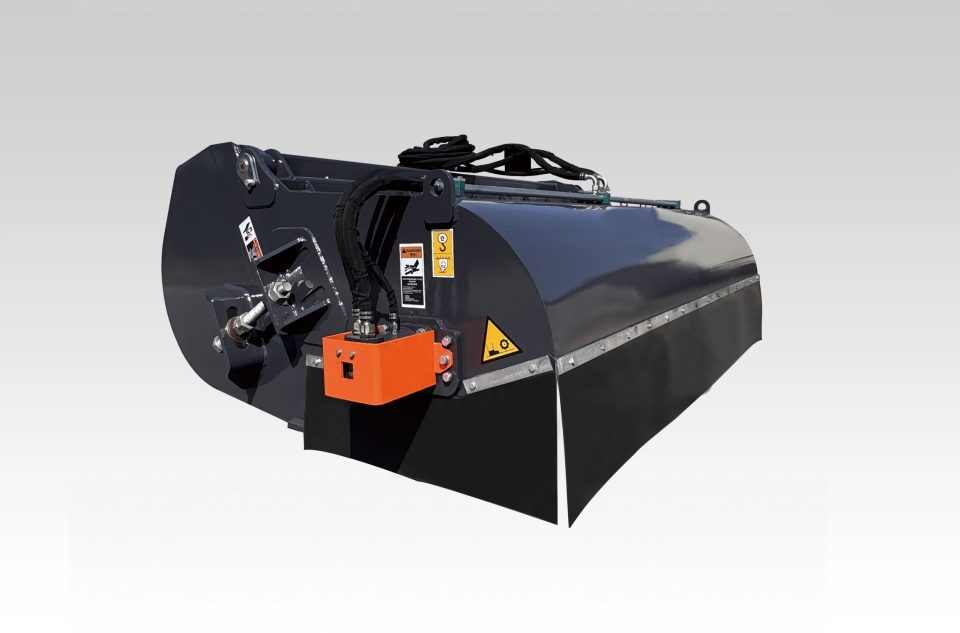
Keeping construction sites, roads, parking areas and industrial yards clean is an essential part of efficient site management. Dirt, loose aggregate, dust, asphalt debris and other materials can quickly accumulate during construction and maintenance work. For contractors looking for a faster and more versatile way to handle routine cleanup, a hydraulic sweeper attachment for a skid steer loader can provide a practical solution.
The HCN BM13 Reverse Sweeper is designed around this type of application. By combining a skid steer loader with a hydraulic-powered sweeping attachment, operators can turn an existing compact machine into a dedicated cleanup tool without adding another self-propelled sweeper to the fleet.
Reverse sweeping capability is particularly useful when working in confined areas, along edges, around obstacles or in situations where debris needs to be pulled and collected toward the machine. This makes a reverse sweeper attachment a useful option for construction contractors, road maintenance crews, property managers, municipal service teams and equipment rental fleets.
Why Choose a Sweeper Attachment for a Skid Steer?
Skid steer loaders are widely used because of their compact dimensions, hydraulic capability and maneuverability. One of their biggest advantages is the ability to use multiple attachments on the same carrier machine.
Instead of purchasing a separate machine for every cleanup application, contractors can use a skid steer sweeper attachment to expand the capabilities of an existing loader. The same skid steer can perform loading, grading, material handling and sweeping tasks simply by changing attachments.
This approach can be particularly valuable for contractors working across multiple jobsites. A sweeper attachment can be transported with the loader and quickly deployed when cleanup is required.
- Efficient removal of loose dirt and debris
- Useful for construction site cleanup
- Suitable for road and pavement maintenance
- Helps clean parking areas and industrial yards
- Improves the versatility of compact loaders
- Reduces the need for dedicated cleanup equipment
- Useful for contractors handling multiple types of work
What Is a Reverse Sweeper Attachment?
A reverse sweeper is a hydraulic broom attachment designed to provide sweeping action while allowing the operator to work in reverse. This operating concept can be especially useful when cleaning tight spaces or when material needs to be drawn back toward a specific collection area.
Unlike a simple push broom that only moves material forward, a reverse-capable sweeping system provides greater flexibility in how operators approach debris. The operator can position the skid steer where necessary and use the sweeping action to move accumulated material in a controlled direction.
This can make the attachment useful for areas where conventional forward sweeping is difficult or where the operator needs to clean close to buildings, machinery, barriers or other obstacles.
Key Benefits of Hydraulic Sweeping for Construction Sites
1. Faster Routine Cleanup
Construction sites can generate large quantities of loose material throughout the working day. Soil, aggregate, concrete fragments, asphalt residue and general debris can accumulate around access roads and work areas.
A hydraulic skid steer broom can help operators cover these areas much faster than manual sweeping. The loader provides the mobility while the rotating broom handles the sweeping operation.
2. Better Maneuverability in Confined Areas
Skid steer loaders are known for their compact design and maneuverability. This makes them particularly useful for cleanup operations where working space is limited.
A reverse sweeper attachment takes advantage of this maneuverability. Operators can approach debris from different directions and use reverse sweeping to clean areas that may be difficult to reach with larger road-cleaning machines.
3. One Carrier, Multiple Applications
One of the strongest advantages of skid steer attachments is equipment versatility. A contractor may already have a skid steer loader equipped with buckets, forks, grapples, augers or other tools. Adding a sweeper attachment extends the machine’s capabilities into site maintenance and cleanup.
This attachment-based approach can help businesses get more value from equipment already in their fleet.
4. Useful for Road and Pavement Maintenance
Road construction and maintenance projects often leave loose material on paved surfaces. Excess aggregate, dirt and construction residue can affect site safety and create additional cleanup requirements.
A skid steer sweeper attachment can be used to clean work zones, access roads, paved areas and other surfaces where loose debris needs to be removed efficiently.
Common Applications for a Skid Steer Sweeper
The versatility of a hydraulic sweeper means it can be used across a wide range of commercial and industrial environments.
Construction Site Cleanup
After excavation, grading, paving or material handling operations, construction sites often require regular cleanup. A sweeper attachment can help remove loose dirt and debris from work areas and access routes.
Road Construction and Maintenance
Roadwork can leave aggregate, soil and other loose materials on paved surfaces. Sweeping equipment can help maintain cleaner work zones and improve the overall condition of temporary access routes.
Parking Lot Maintenance
Commercial parking areas can accumulate dirt, leaves, aggregate and general debris. A compact loader with a sweeper attachment can maneuver through these areas while maintaining a relatively small operating footprint.
Industrial Facilities
Warehouses, factories, distribution centers and industrial yards may require frequent sweeping because of vehicle traffic and material handling operations. A skid steer sweeper can provide an efficient solution for routine outdoor cleanup.
Municipal Maintenance
Municipal and public works crews often need flexible equipment for maintaining roads, sidewalks, public areas and other infrastructure. A sweeper attachment can add another useful capability to an existing compact loader fleet.
Reverse Sweeping vs. Conventional Sweeping
When choosing a broom attachment, operators should consider how the machine will actually be used on the jobsite. Conventional forward sweeping can be effective for open areas, while reverse sweeping provides additional flexibility when working around obstacles or when debris needs to be drawn back toward the machine.
| Feature | Conventional Sweeping | Reverse Sweeping |
|---|---|---|
| Open-area cleaning | Excellent | Excellent |
| Working around obstacles | Good | Very useful |
| Cleaning confined spaces | Good | Very useful |
| Operator flexibility | Standard | High |
| Moving debris toward the machine | Limited | Advantage |
The main advantage of reverse sweeping is not simply the direction of brush rotation. It is the additional control it gives operators when positioning the loader and managing debris in challenging work environments.
How Hydraulic Sweeper Attachments Work
A hydraulic sweeper attachment uses the auxiliary hydraulic system of the carrier machine to drive the sweeping mechanism. When hydraulic flow is supplied to the attachment, the hydraulic motor powers the rotating broom.
The rotating bristles contact the surface and move loose material according to the selected operating direction. Depending on the attachment configuration and application, the sweeping action can be used to move dirt, dust and debris away from or toward the loader.
Hydraulic drive is a natural match for skid steer loaders because auxiliary hydraulic systems are already an important part of their attachment operation. Proper hydraulic compatibility remains essential, however, and operators should always verify the attachment’s required hydraulic flow, pressure, coupler configuration and carrier compatibility before operation.
What Makes the BM13 Reverse Sweeper a Practical Attachment?
The BM13 Reverse Sweeper is positioned as a solution for operators who need more flexibility than a basic broom attachment can provide. Its reverse sweeping concept allows the carrier machine to approach cleanup tasks from different directions while maintaining the maneuverability advantages of a compact loader.
For contractors, the value of this type of attachment is not limited to sweeping performance. The larger benefit comes from integrating cleanup work into an existing equipment fleet.
Instead of moving a dedicated sweeper between different jobsites, an operator can use a compatible skid steer loader and attachment combination to handle cleanup as part of normal site operations.
How to Choose the Right Skid Steer Sweeper Attachment
Before purchasing a hydraulic sweeper attachment, buyers should evaluate several important factors.
Carrier Compatibility
Start with the skid steer or compact loader that will power the attachment. Confirm the mounting interface, hydraulic connections and manufacturer-approved compatibility.
Hydraulic Flow and Pressure
The attachment must operate within the hydraulic specifications of the carrier. Insufficient hydraulic flow may reduce sweeping performance, while an incompatible hydraulic system can create reliability and safety problems.
Working Width
The correct sweeping width depends on the application. Larger work areas may benefit from a wider broom, while narrow access routes and confined areas may require a more compact configuration.
Surface Conditions
Consider where the attachment will be used most frequently. Asphalt, concrete, compacted dirt and other surfaces can have different cleaning requirements.
Type of Debris
Light dust and leaves require different sweeping characteristics from heavy aggregate, dried mud or construction debris. Buyers should explain the expected working conditions to the attachment manufacturer when requesting specifications.
Improving Jobsite Productivity With Multi-Use Attachments
Modern contractors are increasingly focused on equipment utilization. A machine that performs only one task may remain idle for significant periods, while a carrier capable of using several attachments can contribute to different stages of a project.
A skid steer sweeper attachment fits this strategy well. The loader can perform earthmoving or material handling during one part of the day and then be converted into a cleanup machine when required.
This flexibility can be particularly valuable for smaller contractors, rental companies and fleet operators that need to maximize the utilization of compact equipment.
Maintenance Considerations for Sweeper Attachments
Regular maintenance is important for maintaining consistent sweeping performance and extending attachment service life.
- Inspect the broom and bristles regularly for wear.
- Check hydraulic hoses and fittings for leaks or damage.
- Keep hydraulic couplers clean before connection.
- Inspect mounting components before operation.
- Remove accumulated debris from the attachment after use.
- Follow the manufacturer’s recommended maintenance schedule.
- Replace worn components before they affect sweeping performance.
Operators should also inspect the attachment before each working shift and follow the carrier manufacturer’s safety procedures. Proper hydraulic connection and attachment locking are essential before starting the sweeping operation.
Why a Skid Steer Broom Can Be a Smart Fleet Investment
For businesses that already operate skid steer loaders, an attachment-based cleanup strategy can provide a practical alternative to purchasing a dedicated sweeper machine.
The carrier machine remains useful for its primary construction and material-handling applications, while the sweeper expands its capabilities into maintenance and cleanup. This approach can simplify fleet planning and reduce the number of specialized machines required for certain projects.
For contractors working across construction, landscaping, road maintenance and industrial applications, a versatile hydraulic sweeper can therefore become a valuable addition to an attachment fleet.
Frequently Asked Questions About Skid Steer Sweeper Attachments
What is a skid steer sweeper attachment?
A skid steer sweeper attachment is a hydraulic-powered broom designed to connect to a skid steer or compatible compact loader. It is used to sweep dirt, dust, loose aggregate and other debris from roads, construction sites, parking areas and industrial surfaces.
What is a reverse sweeper attachment?
A reverse sweeper attachment allows the sweeping system to operate in a reverse direction, providing operators with greater flexibility when pulling debris toward the machine or cleaning confined areas and difficult-to-reach locations.
What can a hydraulic skid steer sweeper clean?
Depending on the attachment configuration and working conditions, a hydraulic sweeper can be used for loose dirt, dust, aggregate, leaves, construction debris and other materials found on roads, yards, parking areas and jobsites.
Can a sweeper attachment be used for road construction?
Yes. Sweeper attachments are commonly used for road and construction site cleanup, particularly for removing loose material from paved surfaces and maintaining cleaner work zones.
Why use a sweeper attachment instead of a dedicated sweeper machine?
A sweeper attachment allows an existing skid steer loader to perform additional cleanup work. This can be attractive for contractors that want to maximize equipment utilization without maintaining a separate dedicated sweeping machine.
What should I check before buying a skid steer broom?
Buyers should verify carrier compatibility, hydraulic flow and pressure, mounting configuration, working width, surface conditions, expected debris types and available replacement wear components.
Is a reverse broom useful for confined areas?
Yes. Reverse sweeping can provide additional operating flexibility in narrow areas, around obstacles and in locations where moving debris toward the machine is more convenient than pushing it forward.
How do I maintain a hydraulic sweeper attachment?
Regularly inspect the broom, bristles, hydraulic hoses, fittings, mounting components and wear parts. Keeping hydraulic connections clean and following the manufacturer’s maintenance recommendations can help maintain reliable operation.
Final Thoughts
For contractors and fleet operators looking for a flexible way to improve site cleanup, a hydraulic skid steer sweeper attachment can turn an existing compact loader into a productive sweeping machine.
The HCN BM13 Reverse Sweeper focuses on the practical advantages of reverse sweeping, giving operators greater flexibility when cleaning construction sites, roads, yards, parking areas and other working environments.
As construction and maintenance companies continue to look for ways to improve equipment utilization, multi-purpose attachments such as reverse sweepers can play an important role in creating more versatile and efficient compact equipment fleets.
For detailed specifications, compatibility information and application recommendations, visit the HCN BM13 Reverse Sweeper product page or contact HCN Attachments for technical assistance.
Related Search Keywords
skid steer sweeper attachment, skid steer broom attachment, reverse sweeper attachment, hydraulic sweeper attachment, hydraulic broom for skid steer, sweeper attachment for skid steer loader, skid steer road sweeper, construction site sweeper, skid steer broom, loader sweeper attachment, road maintenance attachment, parking lot sweeper attachment, industrial yard sweeper, compact loader sweeper, hydraulic pickup broom, skid steer cleaning attachment, road cleanup equipment, construction cleanup equipment
Related Product Lines & Technical Guides
Use these HCN resources to compare specifications, carrier fit, and export procurement options referenced in this article.