
In the world of construction equipment attachments, ensuring compliance with export documentation is critical for OEM buyers. A lack of proper documentation can lead to delays, increased costs, and potential legal issues. This article will outline a comprehensive checklist that OEM buyers should follow to ensure smooth transactions and adherence to regulations.
Understanding Export Documentation
Export documentation encompasses a variety of papers required for international shipping. These documents guarantee compliance with local and international laws and facilitate a seamless transaction. For OEM buyers, understanding the necessary documentation is essential for efficient procurement and delivery of construction attachments, such as the HN38 Brush Cutter.
Key Documents Required for Export
Below is a checklist of the essential documents that OEM buyers must gather for exporting construction attachments:
| Document | Description | Importance |
|---|---|---|
| Commercial Invoice | A document detailing the sale between the buyer and seller. | Necessary for customs clearance and tax calculation. |
| Packing List | List of items being shipped, including dimensions and weight. | Used for verifying cargo at customs. |
| Bill of Lading | A legal document between the shipper and carrier, detailing the transport. | Acts as proof of shipment and receipt of goods. |
| Certificate of Origin | Confirms the country where the goods were manufactured. | Needed for tariff purposes. |
| Export License | A government document allowing the export of specific goods. | Required for compliance with trade regulations. |
Lead Time Considerations
Understanding lead times is crucial for OEM buyers. The lead time for exporting construction attachments can vary based on several factors, including:
- Production Time: The time taken to manufacture the attachments.
- Shipping Method: Air freight is faster but more expensive than sea freight.
- Customs Clearance: Delays can occur if documentation is incomplete.
For instance, an order for the HN39 Vibratory Compactor may take longer due to its specific manufacturing requirements. It’s advisable to plan ahead and factor in these lead times when placing orders.
Compliance and Quality Standards
Maintaining compliance with international standards is essential for OEM buyers to ensure product quality and reliability. HCN Attachments is CE-certified and ISO 9001:2015 compliant, which underscores the commitment to producing high-quality construction equipment attachments. This compliance not only facilitates smoother transactions but also builds trust with clients around the world.
Conclusion
Efficiently managing export documentation is vital for OEM buyers of construction equipment attachments. By following the outlined checklist and understanding lead times, buyers can streamline their procurement processes and mitigate risks associated with exports. For more information on specific applications, visit our applications page.
Frequently Asked Questions
What is the most critical document for export compliance?
The Commercial Invoice is often considered the most critical document as it details the sale and is required for customs clearance.
How can I expedite the export process?
Ensure all documentation is complete and accurate before shipping. Consider using reliable logistics providers to speed up the shipping process.
What should I do if my shipment is delayed at customs?
If your shipment is delayed, contact your logistics provider and ensure all paperwork is in order. Sometimes, additional documentation may be requested by customs.
Are there specific regulations for different countries?
Yes, export regulations can vary significantly from country to country, so it’s crucial to research the specific requirements for your destination country.
How can I ensure compliance with quality standards?
Work with manufacturers like HCN Attachments that are CE-certified and ISO compliant to ensure adherence to quality standards.
Need specs or export pricing? request a quotation with your carrier model and quantity.
Related HCN Products
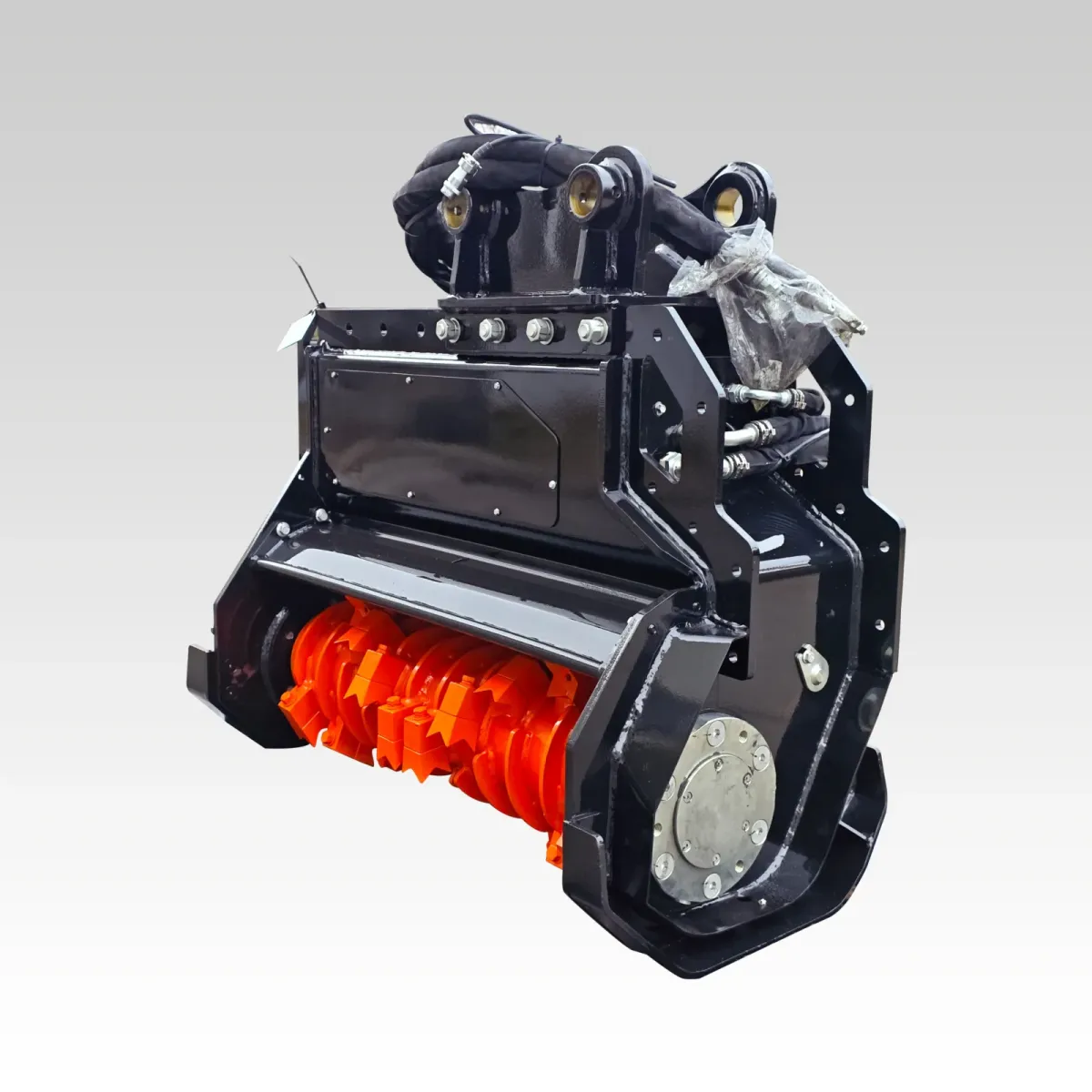
HN38 Brush cutter
HN38 Brush cut…
HCN HN38 Brush cutte…
Forestry & Landscaping
HN38 Brush cutter — specs & quote →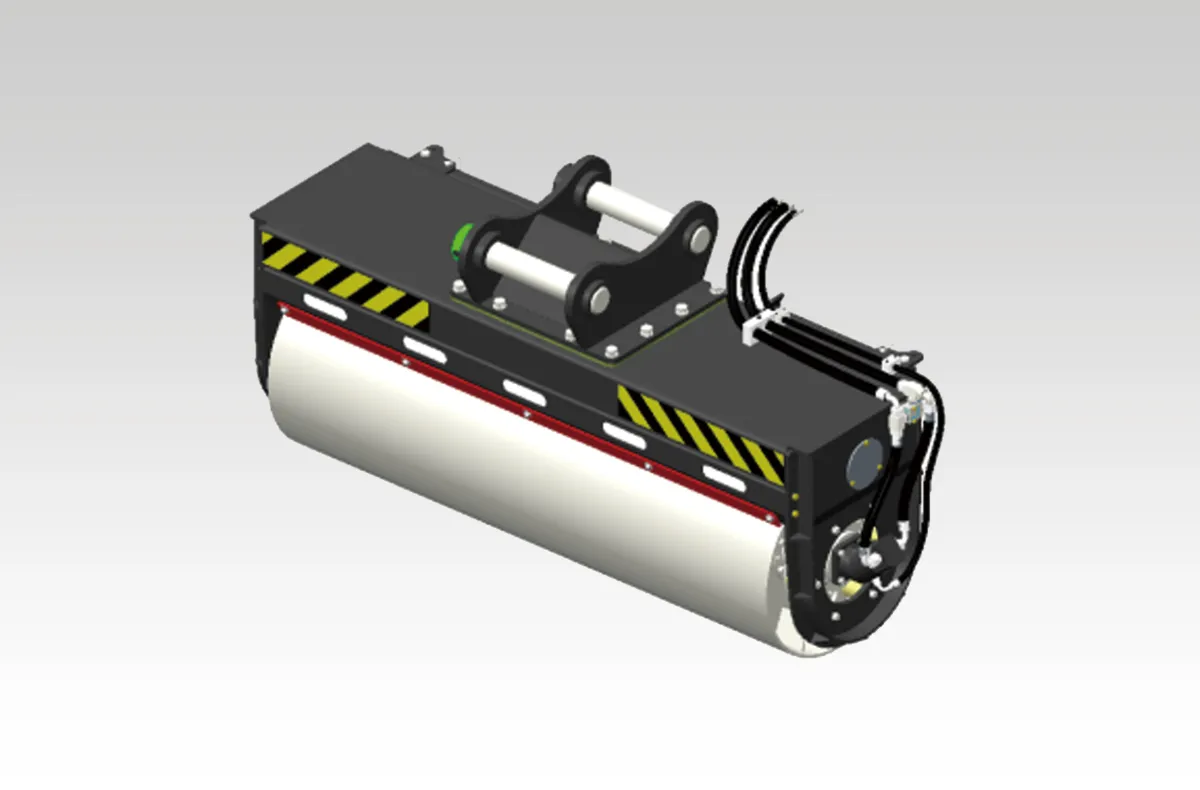
HN39 Vibratory Compactor
HN39 Vibratory…
HCN HN39 Vibratory C…
Compaction Attachments
HN39 Vibratory Compactor — specs & quote →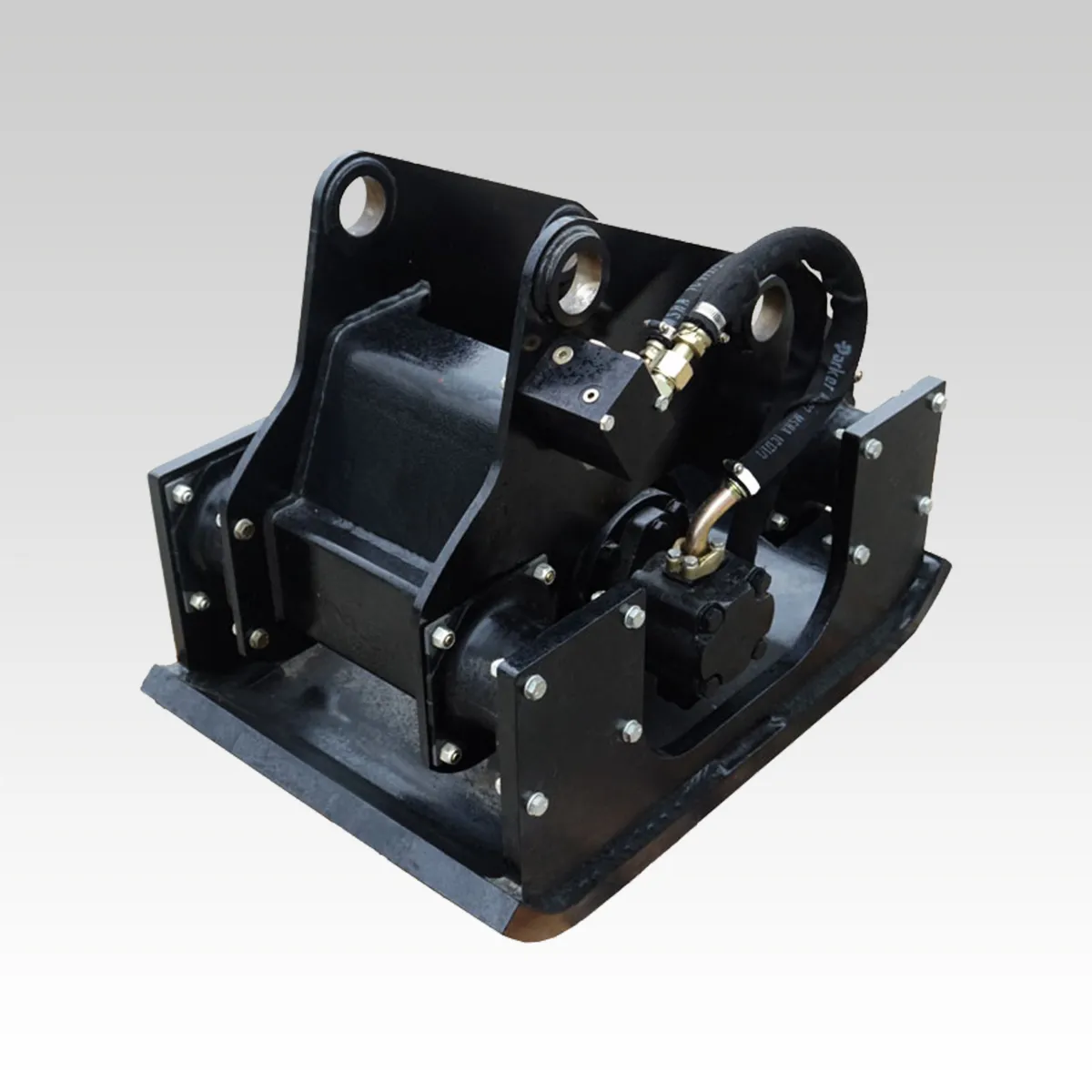
HN31 Plate Compactor
HN31 Plate Com…
HCN HN31 Plate Compa…
Compaction Attachments
HN31 Plate Compactor — specs & quote →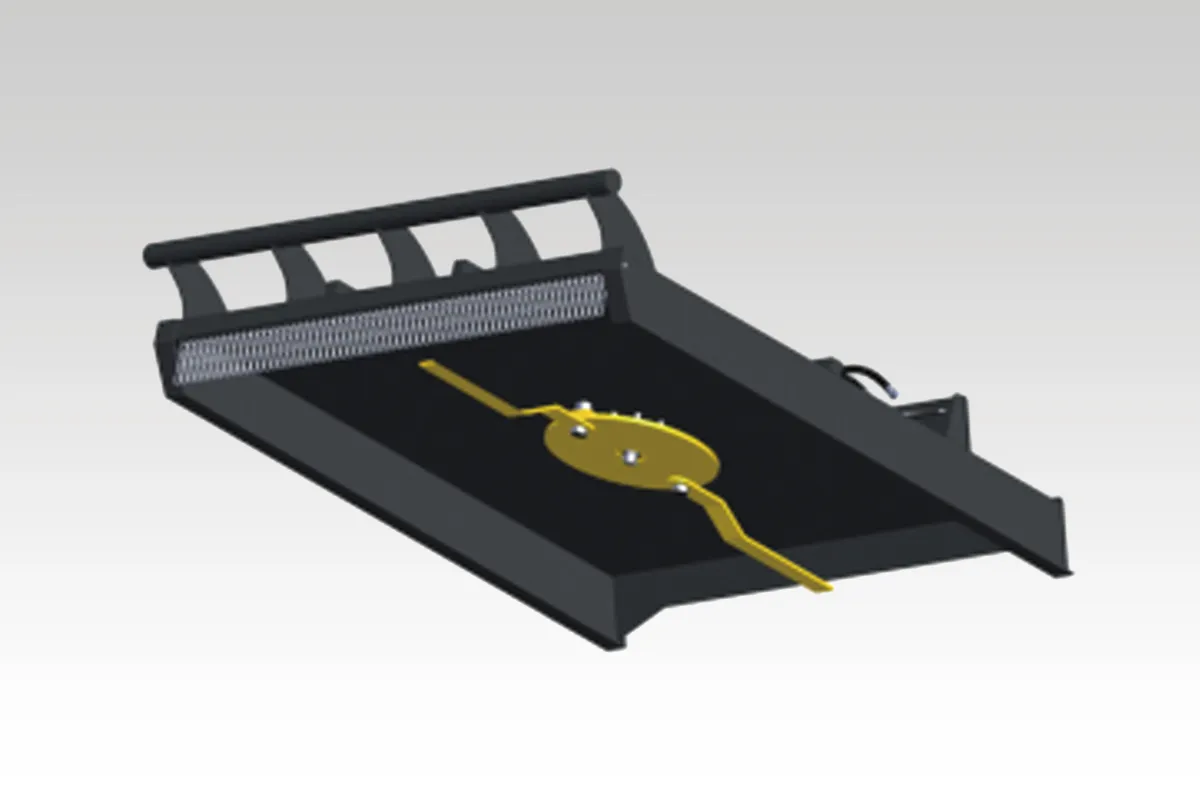
HN36 Flail Mower
HN36 Flail Mow…
HCN HN36 Flail Mower…
Forestry & Landscaping
HN36 Flail Mower — specs & quote →Related Product Lines & Technical Guides
Use these HCN resources to compare specifications, carrier fit, and export procurement options referenced in this article.

