Keeping roads, yards, industrial facilities and construction areas clean is an essential part of efficient site management. Dust, loose material and debris can quickly accumulate in high-traffic areas, affecting productivity, visibility, safety and overall site appearance. For contractors and equipment operators looking for a more efficient cleaning solution, a forward vacuum sweeper attachment can provide a practical alternative to conventional sweeping methods.
Modern sweeper attachments are designed to do more than simply move debris. By combining a rotating brush, collection hopper and dust-control system in one attachment, they can help operators sweep and collect material in a single pass. This approach can reduce manual cleanup work while making loader-based maintenance operations more productive.
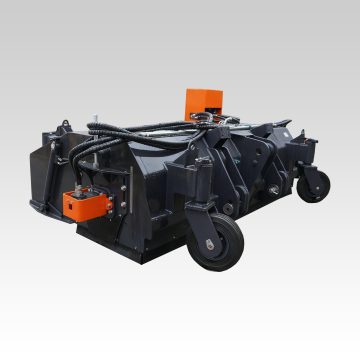
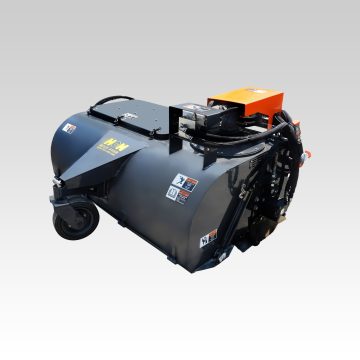
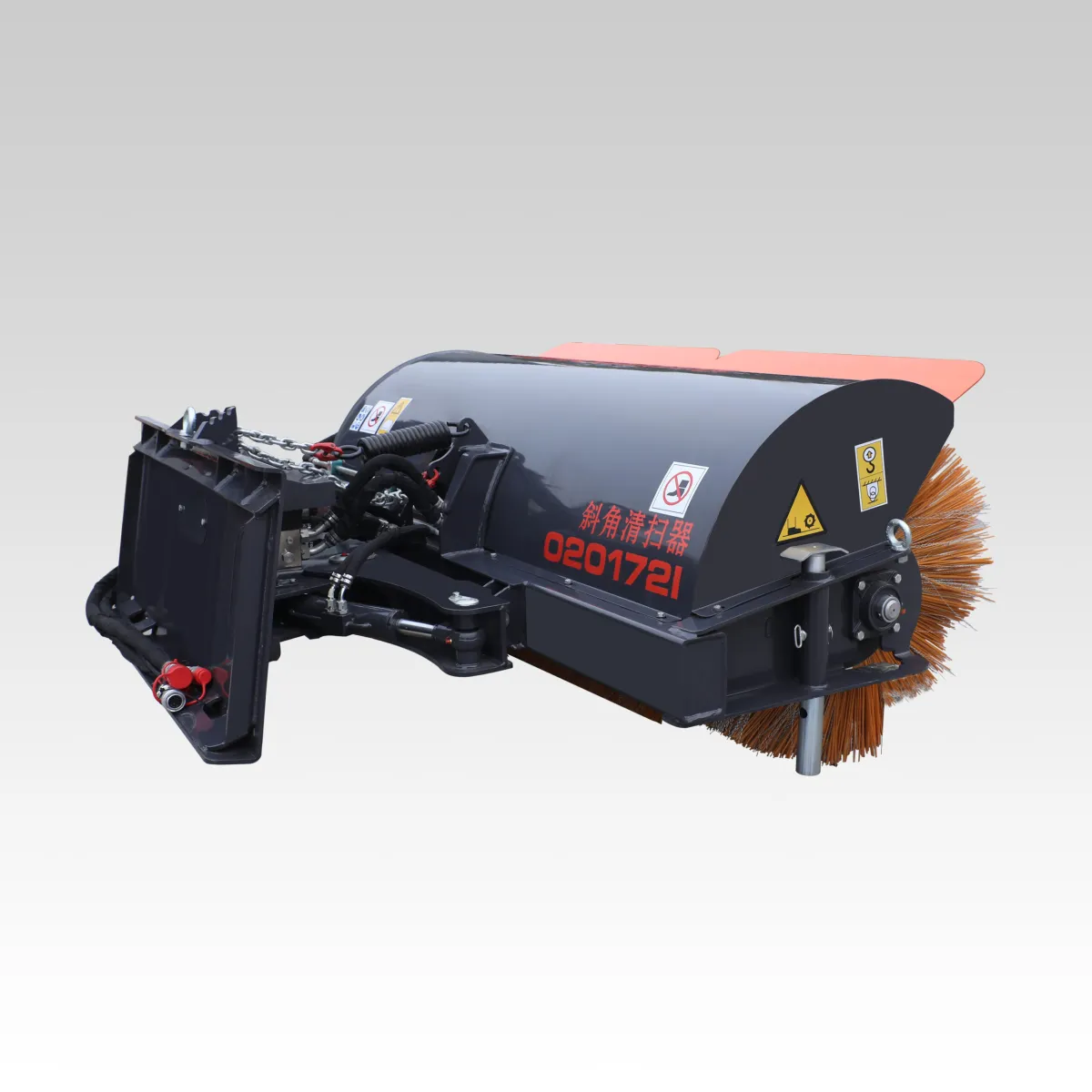
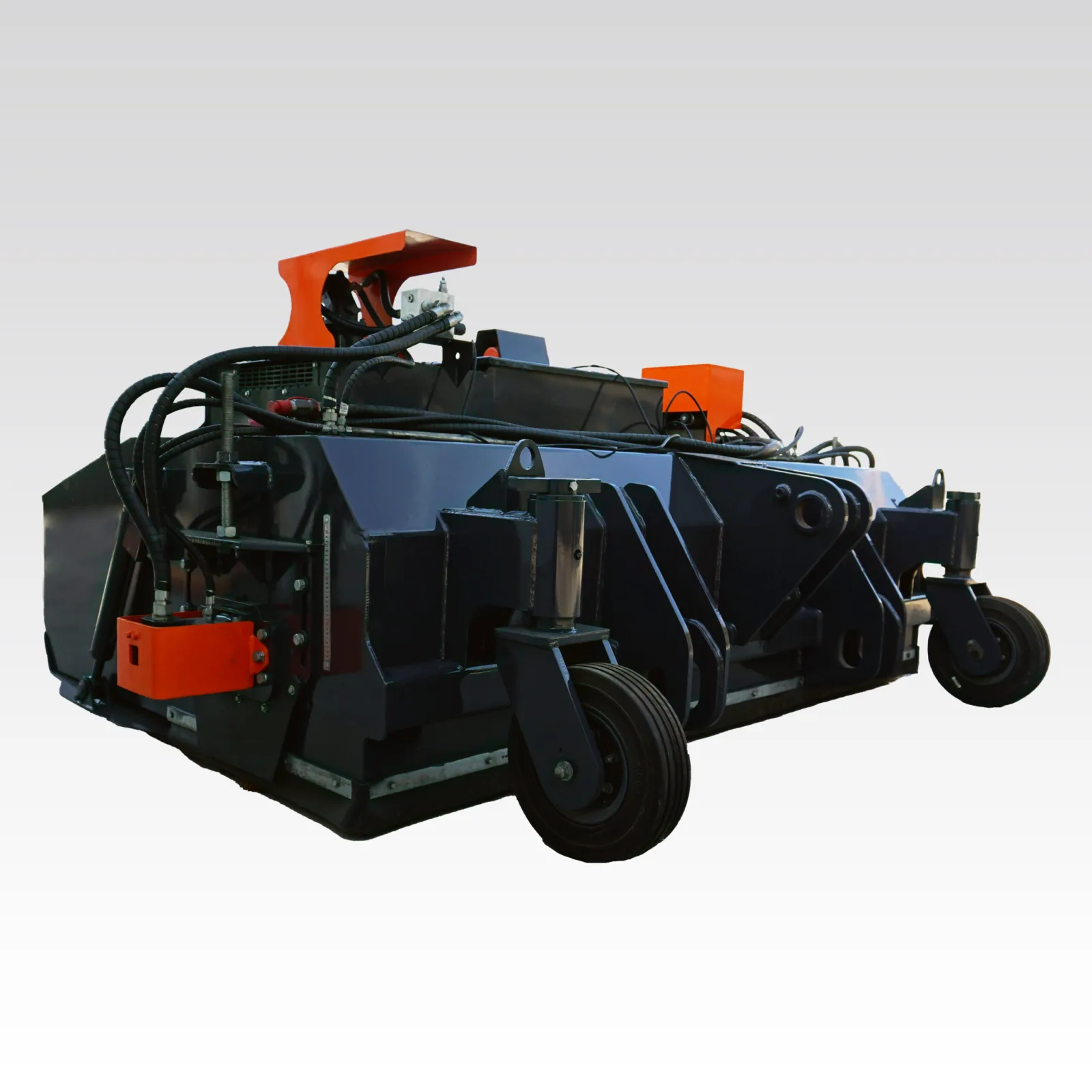
The HCN BM12-NP series is designed around this concept. It combines a forward-sweeping configuration with an enclosed negative-pressure dust-control system, allowing the attachment to collect swept material while helping limit dust escaping into the surrounding working environment.
What Is a Forward Vacuum Sweeper Attachment?
A forward vacuum sweeper attachment is a loader-mounted cleaning tool designed to sweep debris while the carrier machine travels forward. Unlike a basic broom that simply pushes material across the ground, a collection sweeper directs dust, dirt and loose debris into an integrated hopper.
The forward operating direction can provide operators with improved visibility of the cleaning area and a more natural working pattern. It is particularly useful when cleaning roads, parking areas, warehouses, ports, industrial yards and other large surfaces where accumulated debris needs to be collected rather than simply moved from one location to another.
For applications where airborne dust is a concern, an enclosed sweeping system with negative-pressure dust control can offer an additional advantage. The BM12-NP design uses a dedicated negative-pressure system to help contain dust generated during sweeping inside the enclosed collection area.
Why Dust Control Matters During Sweeping Operations
Dust is one of the most common challenges during mechanical sweeping. Dry dirt, fine particles and loose material can become airborne when a rotating broom contacts the surface. On busy construction sites, industrial yards and material handling areas, uncontrolled dust can reduce visibility and create additional cleanup requirements.
A dust-control sweeper is designed to address this challenge at the attachment level. The enclosed structure helps contain material, while the negative-pressure system creates a controlled airflow environment around the sweeping area.
This makes the concept particularly relevant for operators working in areas where maintaining a cleaner working environment is important. Instead of relying only on water spraying, the BM12-NP approach uses a negative-pressure dust-control system to help keep swept dust within the enclosed collection area.
Key Features of a Modern Loader Sweeper
Forward Sweeping for Efficient Operation
Forward sweeping allows the carrier machine to move naturally in the direction of travel while the attachment performs the cleaning operation. This can make the sweeping process easier to control and can reduce the need for repeated reverse movements during routine site maintenance.
For operators responsible for large areas, a forward-sweeping configuration can contribute to a more efficient workflow, especially when cleaning long roads, warehouse yards, parking areas or industrial facilities.
Enclosed Collection System
One of the most important differences between a simple broom attachment and a collection sweeper is the ability to gather material into a hopper. An enclosed collection area helps prevent swept debris from being redistributed across the working surface.
This is especially useful when cleaning fine dust, dirt, gravel and other loose material that needs to be collected and transported away from the work area.
Negative-Pressure Dust Control
The negative-pressure dust-control system is a key feature of the BM12-NP concept. Instead of depending exclusively on conventional water-based dust suppression, the system is designed to help contain airborne particles within the enclosed sweeping and collection area.
This approach can be valuable for facilities where reducing visible dust during sweeping is an important operational consideration.
Dual Hydraulic Motor Drive
The sweeping brush is driven by two directly connected hydraulic motors. A hydraulic drive system provides the rotating power required for continuous sweeping while allowing the attachment to work with the hydraulic system of a suitable carrier machine.
As with any hydraulic attachment, operators should verify the carrier machine’s hydraulic flow, pressure, attachment interface and rated operating capacity before use.
Adjustable Brush Height
Brush wear is an important consideration when operating a sweeper attachment. If the brush is positioned incorrectly, excessive contact with the ground can accelerate wear, while insufficient contact can reduce cleaning performance.
The BM12-NP design provides adjustable brush height so operators can maintain an appropriate brush position as working conditions and brush wear change. This adjustment can help balance cleaning performance with brush service life.
Floating Collection Plate
Real-world surfaces are rarely perfectly flat. Roads, yards and industrial areas may contain uneven sections, surface transitions and small variations in grade.
The floating collection plate is designed to follow ground variations, helping maintain more consistent contact with the working surface. This feature can improve cleaning performance when operating on uneven ground.
Hydraulic Hopper Dumping
After debris has been collected, the material needs to be removed efficiently. A hydraulic dumping system allows the collection hopper to be emptied without requiring operators to manually handle accumulated material.
This can shorten the unloading process and help maintain productivity when the sweeper is being used for continuous site cleanup.
Where Can a Forward Sweeper Be Used?
A versatile sweeper attachment can support cleaning operations across a wide range of industries. The BM12-NP concept is suitable for applications where roads, yards, storage areas and other hard surfaces need regular mechanical cleaning.
Construction Sites
Construction projects can generate dust, dirt, aggregate and other loose material. A loader-mounted sweeper can help clean access roads, work areas and staging zones after material handling or construction activities.
Industrial Yards
Industrial facilities often experience continuous vehicle and equipment movement. Over time, dust and debris can accumulate around loading zones, access roads and storage areas. A collection sweeper provides a practical way to maintain these surfaces.
Ports and Material Handling Areas
Ports and logistics facilities can face demanding cleaning conditions because of constant vehicle movement and material handling operations. An enclosed sweeper can help collect loose material from paved working areas while supporting dust-control objectives.
Warehouses and Distribution Facilities
Outdoor warehouse areas, loading zones and access roads require regular maintenance to remain clean and operational. A sweeper attachment can allow existing loaders to perform routine cleaning without requiring a separate dedicated sweeping vehicle.
Parking Areas and Roads
Parking lots, private roads and access routes can accumulate dirt, leaves, gravel and other debris. A forward sweeper can efficiently collect this material while allowing the carrier machine to continue moving forward through the cleaning area.
Why Use a Sweeper Attachment Instead of Manual Cleaning?
Manual sweeping can be practical for small areas, but it becomes increasingly inefficient as the surface area grows. Large industrial sites, roads and yards may require frequent cleaning, making labor-intensive methods difficult to maintain.
A loader-mounted sweeper turns an existing machine into a dedicated cleaning platform. Instead of purchasing a separate self-propelled sweeper for every application, contractors can use compatible loaders and attachment systems to perform multiple tasks with the same carrier machine.
This equipment strategy can improve fleet flexibility and make better use of machines that are already available on a construction or industrial site.
Forward Sweeper vs. Conventional Broom Attachment
Choosing between a conventional broom and a collection sweeper depends on the application.
A basic broom may be suitable when the objective is simply to move material to the side of a road or work area. A collection sweeper is more appropriate when the operator needs to gather debris and transport it away from the cleaning surface.
For dusty applications, an enclosed sweeper with a dedicated dust-control system provides another level of functionality. It combines sweeping and collection with a design intended to reduce dust escaping during operation.
This makes a forward vacuum-style sweeper particularly attractive for contractors, municipalities, industrial facilities and site-maintenance teams that need a more complete cleaning solution.
How to Choose the Right Sweeper Attachment
Before purchasing a skid steer sweeper attachment or loader-mounted sweeper, operators should evaluate several important factors.
- Carrier machine compatibility: Check the loader type, mounting interface and rated operating capacity.
- Hydraulic requirements: Confirm that the carrier provides suitable auxiliary hydraulic flow and pressure for the attachment.
- Cleaning application: Consider whether the job involves dust, gravel, dirt, industrial debris or general surface maintenance.
- Collection requirements: Determine whether debris needs to be collected and dumped or simply swept aside.
- Dust-control requirements: For dusty working environments, consider an enclosed design with dedicated dust-control technology.
- Brush adjustment: Adjustable brush height can help maintain cleaning performance and manage brush wear.
- Maintenance: Look for practical brush and motor replacement features that can reduce downtime.
- Working environment: Consider whether the attachment will be used on roads, warehouses, ports, parking areas or uneven industrial surfaces.
Maintenance Considerations for Sweeper Attachments
Regular maintenance is essential for maintaining sweeping performance and extending attachment service life. Operators should inspect the brush assembly, hydraulic connections, wheels, collection components and other wear parts according to the manufacturer’s maintenance recommendations.
Brush condition should receive particular attention. As the bristles wear, the brush position may need to be adjusted to maintain effective contact with the working surface. A properly adjusted brush can help achieve consistent cleaning performance while reducing unnecessary wear.
Hydraulic components should also be inspected for leaks, damaged hoses and loose connections. The hydraulic system should be operated within the recommended parameters of both the attachment and the carrier machine.
Keeping the collection hopper and dust-control components clean can also help maintain reliable performance during repeated sweeping operations.
Improving Site Productivity with Multi-Purpose Equipment
Equipment versatility is becoming increasingly important for contractors and fleet managers. A single compact loader can often perform multiple tasks when equipped with the right attachments, including material handling, grading, brush cutting, snow removal and surface cleaning.
A loader sweeper attachment extends this versatility into site maintenance. Instead of dedicating a machine exclusively to sweeping, operators can install the attachment when cleaning is required and switch to another attachment when the task is complete.
This approach can be especially useful for contractors managing multiple job sites or businesses that need to control equipment ownership and operating costs.
Why Dust-Controlled Sweeping Is Becoming More Important
As construction, logistics and industrial operations become more focused on efficient site management, dust control is an increasingly important part of routine cleaning. Sweeping equipment must not only remove material from the surface but also consider what happens to fine particles during the cleaning process.
An enclosed negative-pressure sweeping system addresses this challenge by combining collection and dust containment within the attachment. For facilities that regularly deal with dusty roads, yards or material handling areas, this can provide a more controlled approach to mechanical cleaning.
FAQ: Forward Vacuum Sweeper Attachments
What is a forward vacuum sweeper attachment?
A forward vacuum sweeper attachment is a loader-mounted cleaning attachment designed to sweep and collect debris while the carrier machine moves forward. Advanced designs can also incorporate enclosed collection and dust-control systems.
Can a sweeper attachment be used on a skid steer loader?
Many sweeper attachments are designed for skid steer loaders and compact loaders. However, compatibility depends on the mounting system, hydraulic requirements, rated operating capacity and machine specifications. Always confirm compatibility before operation.
What is the difference between a broom and a sweeper bucket?
A basic broom generally moves debris across the surface, while a sweeper bucket combines brushing with debris collection. A sweeper bucket is therefore useful when material needs to be gathered and dumped rather than simply pushed aside.
How does negative-pressure dust control work?
A negative-pressure dust-control system creates a controlled airflow environment inside the enclosed sweeping area. The BM12-NP design uses this principle to help contain dust generated during sweeping instead of relying solely on conventional water-based dust suppression.
Where can an industrial sweeper attachment be used?
Industrial sweeper attachments can be used on construction sites, industrial yards, roads, ports, warehouses, parking areas, logistics facilities and other hard-surface environments where dust and debris need to be removed.
Does the sweeper collect debris?
Yes. A collection sweeper directs swept material into an integrated hopper. The collected material can then be unloaded through the hydraulic dumping system.
Why is brush height adjustment important?
Correct brush height helps maintain effective contact with the surface while reducing unnecessary bristle wear. Adjustable brush height allows operators to compensate for brush wear and different operating conditions.
Can the sweeper work on uneven surfaces?
The floating collection plate is designed to follow variations in the ground surface, helping maintain more consistent cleaning performance on uneven areas.
What should I check before buying a loader sweeper?
Check carrier compatibility, hydraulic flow and pressure, mounting configuration, operating capacity, required working width, debris type, dust-control requirements and maintenance accessibility.
Conclusion
For contractors, industrial operators and site-maintenance professionals, choosing the right sweeper attachment can make routine cleaning faster, more efficient and easier to manage. A forward collection sweeper provides more than simple brushing by combining sweeping, debris collection and hydraulic unloading in one attachment.
The BM12-NP takes this concept further with an enclosed negative-pressure dust-control system designed to help contain dust during sweeping. Its forward operating configuration, dual hydraulic motor drive, adjustable brush height, floating collection plate, hydraulic dumping system and heavy-duty caster wheel arrangement make it a practical solution for demanding cleaning environments.
Whether the requirement is road maintenance, construction site cleanup, industrial yard sweeping, warehouse maintenance or port cleaning, a properly matched loader sweeper can turn an existing machine into a versatile and productive cleaning platform.
For detailed specifications, compatibility information and application guidance, operators should review the manufacturer’s product information and confirm the attachment requirements with their equipment supplier before selecting a configuration.